
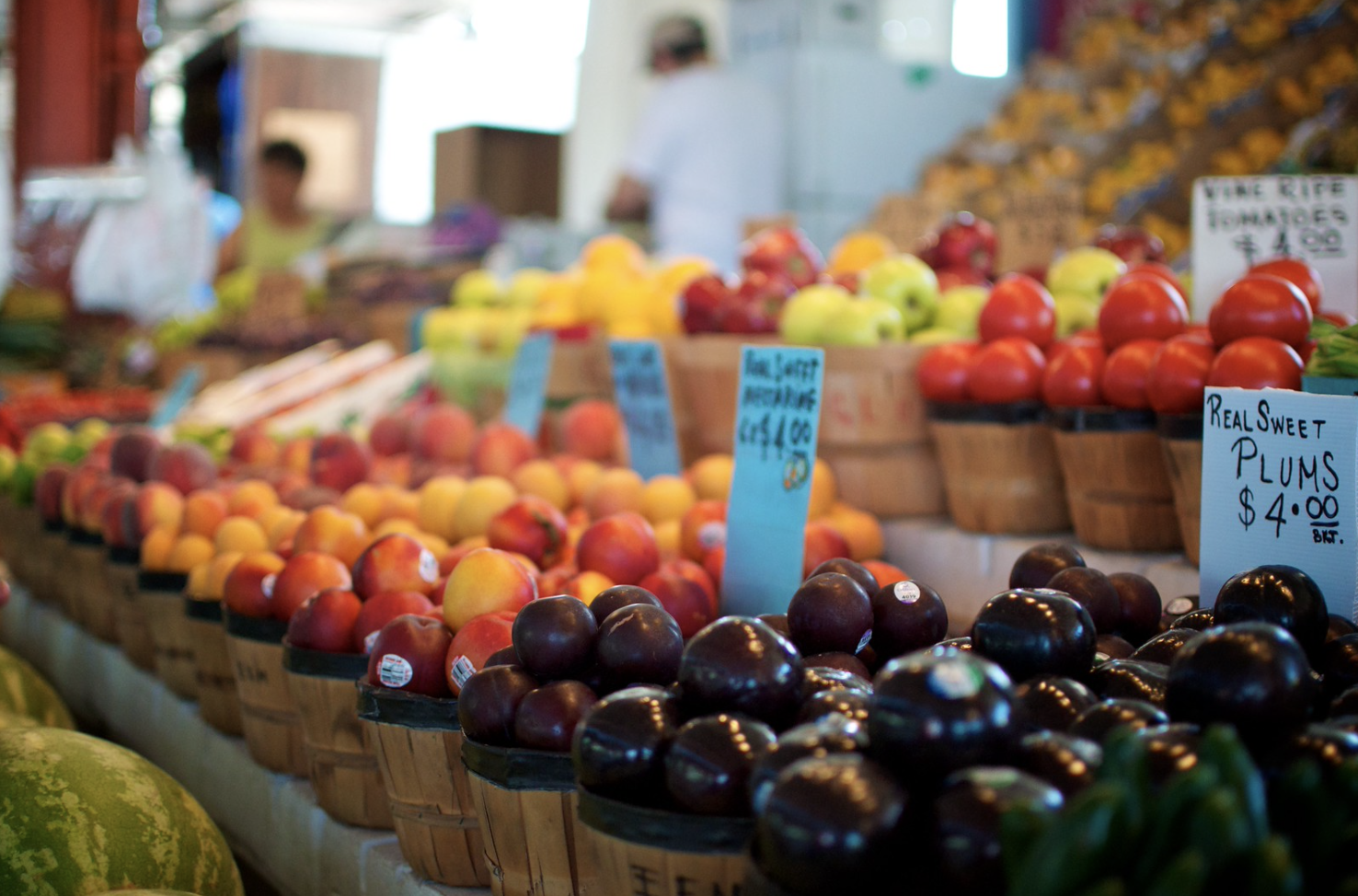
“Dallas Farmers Market” by John Tornow is licensed under CC BY 2.0 Attribution 2.0 Generic Deed.
1. Introduction to Food Ventures
Starting a food business can be both exciting and overwhelming. The food industry is competitive, regulated, and constantly evolving, making it essential for aspiring entrepreneurs to build their business on a strong foundation. This foundation begins with a comprehensive business plan that guides your decisions, clarifies your vision, and outlines the specific steps to make your idea profitable.
Food trucks, commercial kitchens, and farmers markets each offer unique opportunities for revenue and visibility. They also share common challenges such as food safety, licensing, cost management, and customer acquisition. Writing a business plan that reflects the specifics of each model ensures that you are prepared for both the opportunities and the obstacles that come with growth in the food sector.
A business plan is not just a document for banks or investors; it is a roadmap, a strategic guide, and a tool for accountability. As your business evolves, your business plan becomes the framework that keeps your operations aligned with your goals.
2. Understanding Your Food Business Model
Before writing your business plan, you must understand which business model(s) you intend to pursue. Each of the following food business types;food truck, commercial kitchen rental, and farmers market;requires a unique approach.
2.1 Food Truck
A food truck is a mobile kitchen that provides a flexible, lower-cost entry point into the food industry. Food trucks are ideal for entrepreneurs who want to test menu concepts, operate without a traditional lease, or bring their food to high-traffic locations.
A well-executed food truck business can grow into a multi-unit operation, brick-and-mortar restaurant, catering division, or wholesale product line, depending on your long-term goals.
Operating a food truck requires careful planning around route scheduling, commissary arrangements, fuel costs, truck maintenance, and health permits. Because mobility is a key component of a food truck business, your plan must account for ongoing location scouting, event participation, and local regulatory compliance.
2.2 Commercial Kitchen Rental
A commercial kitchen rental facility (also known as a commissary kitchen) provides licensed, shared kitchen space for food entrepreneurs. Clients may include caterers, bakers, food truck owners, meal prep companies, small-scale manufacturers, and pop-up food vendors.
This model can be extremely profitable when managed effectively because it generates recurring revenue through hourly rentals, memberships, and long-term leasing agreements.
Running a kitchen rental facility requires strong operational systems for cleaning, scheduling, compliance, maintenance, and tenant management. Because this business serves other businesses, customer service and reliability are critical to maintaining long-term relationships and occupancy.
2.3 Farmers Market Vendor
Farmers markets offer high-visibility, low-overhead opportunities for food entrepreneurs to introduce their products to the community. This model is particularly effective for selling baked goods, produce, artisan foods, beverages, or packaged goods.
Farmers markets also serve as an invaluable testing ground for pricing, branding, and customer feedback, helping you refine your product before scaling.
Farmers market vendors must plan for inventory forecasting, booth setup, sampling strategies, and vendor fees. The goal is to create a consistent, memorable shopping experience that encourages customers to return weekly and follow your brand as it expands.
3. Executive Summary
Your executive summary provides an at-a-glance overview of your entire business plan. Although placed at the beginning, it is easiest to write after completing all other sections.
What to Include
- Business Vision
Describe the overall concept of your food truck, kitchen rental facility, or farmers market business. This should communicate your long-term aspirations clearly and concisely. A strong vision inspires confidence in investors and stakeholders, showing them that your business is built for purposeful growth. - Mission Statement
Explain what your business does, who it serves, and what makes it unique. A mission statement focuses on the present;your day-to-day purpose;and reinforces the core values that guide your customer service and operations. - Business Model Overview
Summarize your revenue streams, operational structure, and service offerings. This high-level overview helps readers instantly understand how your business makes money and who your customers are. - Financial Highlights
Provide key financial projections such as estimated startup costs, revenue forecasts, and breakeven timeline. These snapshots help lenders and partners see the financial viability of your business at a glance. - Market Opportunity
Describe the demand for your product or service, referencing the trends that support your business potential. Market opportunity highlights your business’s competitive position and demonstrates that you’re entering a growing or underserved market.
4. Company Description
Your company description provides a detailed look at what your business does and why it will succeed.
4.1 Business Overview
- Provide a clear summary of the type of food business you are launching. Explain whether you are starting a food truck, commercial kitchen rental facility, farmers market booth, or a hybrid model combining two or more concepts.
- Elaborate on your unique value proposition. This describes what sets you apart from competitors, such as sustainable sourcing, innovative flavors, specialized rental equipment, or premium customer service.
4.2 Business Objectives
- Outline both short-term and long-term goals for your business. Short-term goals might include launching your first truck or renting your first 10 kitchen clients, while long-term goals might include expansion into multiple markets.
- Ensure your goals are measurable and time-bound. This makes it easier to track progress and adjust your strategy as your business grows.
4.3 Legal Structure
- Indicate whether your business will operate as an LLC, corporation, partnership, or sole proprietorship. Your legal structure affects taxes, liability, and financing eligibility, so this decision should be made carefully.
- Explain why this structure is appropriate for your business model. For example, an LLC provides liability protection, which is important in the food industry due to health and safety considerations.
4.4 Location & Service Area
- Identify where your business will operate. For food trucks, this includes cities and neighborhoods; for kitchen rentals, list your facility location; for farmers markets, include market schedules and locations.
- Explain why this location is advantageous. Factors such as high foot traffic, strong food culture, or proximity to professional kitchens may support your success.
5. Market Analysis
A well-researched market analysis helps you understand your audience, competitors, and the overall industry environment.
5.1 Industry Overview
- Provide data about the growth of food trucks, commercial kitchens, or farmers markets. For example, the food truck industry has seen consistent annual expansion as consumers seek convenient, high-quality food options.
- Explain how modern trends;such as online ordering, social media influence, and small-batch manufacturing;shape the industry landscape.
5.2 Target Market
- Define who your customers are, including age range, income levels, lifestyle, habits, and purchasing patterns. Food truck customers might be young professionals, while kitchen rental clients may be small food entrepreneurs.
- Explain why this audience is a strong fit for your offerings. For example, farmers market buyers may prefer handmade or organic products, creating a clear match with your brand values.
5.3 Competitor Analysis
- Identify existing competitors, including direct (other food trucks) and indirect (fast-casual restaurants). Understanding both helps position your business effectively in the marketplace.
- Analyze your competitors’ strengths and weaknesses. This includes their pricing, menu, branding, location strategy, and customer reviews, giving you insight into opportunities for differentiation.
5.4 Competitive Advantage
- Identify the specific elements that give your business an advantage in your market. This may include unique menu concepts, prime location access, specialized kitchen equipment, or exclusive farmers market partnerships. Your competitive advantage should be compelling enough to draw customers away from alternatives.
- Explain how you will sustain this advantage over time. For instance, if your food truck specializes in seasonal dishes, maintaining strong supplier relationships and adapting quickly to ingredient availability may keep your offerings fresh and relevant.
5.5 Market Trends
- Discuss national or regional trends shaping the food industry. Examples include rising demand for plant-based foods, mobile ordering, locally sourced ingredients, and experiences that blend culture and dining. Identifying trends helps you position your business to meet modern expectations.
- Analyze how these trends benefit your business model. For example, farmers markets benefit from the trend toward artisanal, handmade, or organic products, while commercial kitchens thrive from rising numbers of food startups needing licensed space.
6. Business Model & Revenue Streams
A successful business plan requires a clear and detailed explanation of how the business will generate income. Each of the three models;food truck, commercial kitchen rental, and farmers market;offers multiple revenue streams that can be strategically layered to maximize profitability.
6.1 Food Truck Revenue Streams
A. Daily Sales
- Your primary revenue comes from daily food sales in strategic, high-traffic locations. These include business districts, beaches, nightlife areas, construction zones, and campuses.
- Understanding traffic patterns and customer preferences at each location helps maximize daily revenue.
B. Catering & Private Events
- Food trucks can earn significantly more from private events such as weddings, corporate gatherings, and festivals. Event bookings provide predictable, contracted revenue that stabilizes cash flow.
- Offering event packages at various price points broadens your reach and positions your truck as a versatile food service provider.
C. Seasonal or Limited Menu Items
- Limited-time offerings create urgency and encourage customers to visit more frequently. These could include holiday specials, seasonal flavors, or collaborations with other brands.
- Seasonal menus also allow you to control food costs by taking advantage of produce availability and price fluctuations.
6.2 Commercial Kitchen Rental Revenue Streams
A. Hourly Rental Fees
- Most kitchen rental facilities charge by the hour, making this a consistent revenue source. Rates typically vary by time of day, equipment used, and level of exclusivity.
- Demand often peaks during early mornings and late evenings, so dynamic pricing can help maximize revenue during slower hours.
B. Monthly Membership Plans
- Membership plans provide recurring revenue and long-term stability. These may include discounted rental hours, priority scheduling, or storage space.
- Memberships build customer loyalty and help food entrepreneurs plan their production schedule reliably.
C. Storage Rental
- Refrigerated, freezer, and dry storage spaces can be rented to kitchen tenants for an additional fee. Storage is often in high demand, especially for caterers and packaged food companies.
- Secure, well-labeled storage also improves operational efficiency and tenant satisfaction.
6.3 Farmers Market Revenue Streams
A. Direct Product Sales
- Farmers markets allow vendors to sell directly to consumers without traditional retail overhead costs. This often results in higher profit margins per unit.
- Interacting with customers face-to-face also builds brand loyalty and provides invaluable feedback for product development.
B. Subscription-Based Products
- Many vendors create CSA-style boxes, weekly produce bags, or bakery box subscriptions. These pre-sold bundles generate predictable, recurring revenue.
- Subscriptions help vendors plan inventory more accurately and reduce waste.
C. Wholesale or Retail Partnerships
- Farmers markets are an excellent place to build relationships with retailers or cafes interested in carrying your products. Wholesale partnerships can dramatically increase volume and brand exposure.
- Entering retail channels requires careful pricing and consistency, but it also provides a sustainable avenue for long-term growth.
7. Menu & Product Development
Your menu or product lineup is the heart of your food business. Whether you’re serving meals from a truck, offering batch production in a commercial kitchen, or selling goods at a farmers market, thoughtful product development is essential.
7.1 Creating a Profitable Menu (Food Truck)
A. Menu Focus & Specialization
- A focused menu leads to faster service, lower food costs, and stronger brand identity. Instead of offering too many items, concentrate on a signature dish or flavor profile.
- Specialization also positions your truck as a destination for something specific, increasing the likelihood of repeat customers.
B. Cost Analysis for Each Menu Item
- Break down food cost percentages for every dish to ensure pricing supports your profit goals. Understanding ingredient costs helps avoid underpricing and future financial strain.
- Regularly reevaluating costs ensures that inflation, supplier changes, and seasonal price shifts don’t cut into your margins.
7.2 Developing Rental Features (Commercial Kitchen)
A. Equipment Selection
- Choose equipment that supports a wide range of food businesses, such as convection ovens, mixers, prep tables, burners, and large sinks. Diverse equipment attracts more tenants and expands your revenue potential.
- Reliable, commercial-grade equipment also reduces repairs, downtime, and tenant complaints.
B. Workflow Optimization
- A well-designed kitchen layout improves efficiency, safety, and tenant experience. Consider traffic flow, cleaning zones, and equipment placement when designing your space.
- Optimized workflow also increases the number of simultaneous users, boosting rental capacity and revenue.
7.3 Creating Products for Farmers Markets
A. Small-Batch Flexibility
- Producing in small batches allows you to adapt quickly to customer preferences and test new items regularly. This is especially useful in markets where consumer tastes shift seasonally.
- Small-batch production also minimizes waste and gives you freedom to experiment before scaling to larger volumes.
B. Packaging & Presentation
- Attractive packaging enhances perceived value and increases sales. Farmers market customers often gravitate toward products that look artisanal, sustainable, or gift-ready.
- Ensure your packaging includes required labels such as ingredients, allergens, nutritional facts, or cottage food compliance statements.
8. Operations Plan
An operations plan outlines the daily processes that keep your business running smoothly. Strong operations increase efficiency, minimize waste, and ensure consistent customer satisfaction.
8.1 Food Truck Operations
A. Daily Setup & Breakdown
- Detail your opening and closing procedures, including food prep, truck sanitation, propane checks, equipment testing, and cash register setup. Organized routines improve consistency and reduce errors.
- Breakdown procedures should include waste disposal, inventory tracking, and scheduling maintenance to prevent downtime.
B. Location Scheduling
- List your routine locations and the reasoning behind each choice. High-traffic areas at lunch may differ from nightlife locations best suited for evening shifts.
- A flexible location strategy ensures your truck adapts to weather, local events, and customer demand trends.
8.2 Commercial Kitchen Operations
A. Tenant Scheduling
- Implement a reservation system to organize kitchen occupancy and prevent conflicts. This system can be digital, allowing tenants to book time blocks in advance.
- Scheduling transparency creates trust and reliability, two essential components of a successful shared kitchen model.
B. Cleaning & Maintenance Protocols
- Establish clear cleaning standards for both staff and tenants. This includes daily, weekly, and monthly tasks that keep the facility safe and compliant.
- Consistent maintenance prevents costly breakdowns and creates a professional environment that retains clients.
8.3 Farmers Market Operations
A. Booth Setup & Display
- Presenting your products attractively is critical for capturing customer attention. Use signage, displays, risers, and samples to create an inviting booth.
- Eye-catching displays help your booth stand out in a crowded market and communicate the value of your products instantly.
B. Inventory Management
- Track inventory levels carefully to avoid running out of best-selling items before the market ends. Efficient inventory planning improves profitability.
- Monitoring sales patterns allows you to forecast demand more accurately over time.
9. Financial Plan & Essential Financial Reports
A strong financial plan is crucial for securing funding, managing cash flow, and measuring performance. Your financial section should be clear, well-organized, and based on realistic assumptions.
9.1 Startup Costs
A. Food Truck Startup Costs
- Include truck purchase or leasing costs, kitchen equipment, initial food inventory, branding, POS systems, permits, and insurance. These figures help determine your funding needs.
- Food truck startup costs typically range from $50,000 to $200,000 depending on customization and location regulations.
REAL WORLD EXAMPLE:
When Kogi BBQ first launched, their initial investment included purchasing an older used truck and retrofitting it with Korean BBQ equipment. Their early interviews reveal they spent approximately $60,000–$70,000 on the first truck by keeping customization minimal. This cost-conscious approach helped them stay financially lean until revenue stabilized.
Kogi reinvested profits during their early rapid growth. Because they didn’t take on debt early, they were able to expand into additional trucks and eventually brick-and-mortar locations without relying heavily on external investors.
B. Commercial Kitchen Startup Costs
- List expenses such as facility lease, renovation, equipment purchase, utility upgrades, fire suppression systems, and licensing fees.
- Kitchen facilities require significant upfront investment, often between $150,000 to $500,000, depending on size and equipment quality.
REAL WORLD EXAMPLE:
Pilotworks raised capital to convert a warehouse into a high-end shared kitchen. Their startup costs included commercial-grade ovens, massive ventilation systems, non-slip flooring, grease traps, cold storage, and fire suppression upgrades, totaling over $1 million.
Their operational model required investors early, but their financial projections justified the investment by forecasting recurring revenue from memberships, storage leases, and educational programs. Though Pilotworks later closed due to management issues, their financial framework is still widely referenced in kitchen incubator case studies.
C. Farmers Market Startup Costs
- Include booth fees, tent and table supplies, licensing, sampling materials, and initial product inventory.
- Farmers market businesses can be started for as little as $2,000–$10,000 depending on product type and packaging costs.
REAL WORLD EXAMPLE:
Before becoming a national brand, Hail Merry started at farmers markets with minimal equipment;tents, coolers, signage, and product samples costing roughly $3,000–$5,000.
Their early success at markets helped validate pricing and flavor profiles. They reinvested profits into scaling production, moving into commercial kitchens, and eventually creating wholesale-ready packaging.
9.2 Essential Financial Reports
A. Profit & Loss Statement (P&L)
- The P&L tracks revenue, cost of goods sold, overhead expenses, and net profit. This report helps you understand your business’s profitability over time.
- Reviewing the P&L monthly allows you to adjust pricing, reduce expenses, or refine operations as needed.
REAL WORLD EXAMPLE:
The Halal Guys began as a single NYC food cart generating extremely high daily volume. Their early P&L showed strong margins due to low overhead and high foot traffic.
Their consistent profitability allowed them to attract franchise investors. Their P&L became the foundation of their expansion, proving that their simple menu and rapid service produced predictable profits.
B. Cash Flow Statement
- Cash flow reports show how money moves in and out of your business. This is crucial for predicting cash shortages, especially in seasonal markets.
- Positive cash flow ensures you can cover expenses such as payroll, inventory, and loan payments without interruption.
REAL WORLD EXAMPLE:
Revolver Coffee operated a mobile coffee bus before opening retail shops. Their cash flow statements showed seasonal dips during winter, so they planned ahead by building a cash reserve in summer months.
Their ability to manage cash flow seasonally allowed them to sustain operations without loans year-round.
C. Balance Sheet
- A balance sheet summarizes your assets, liabilities, and equity at a specific point in time. This snapshot helps lenders evaluate your financial health.
- Monitoring your balance sheet regularly allows you to understand your net worth and make strategic decisions.
REAL WORD EXAMPLE:
La Cocina’s balance sheet includes real estate assets, kitchen equipment assets, grant funding, and liabilities associated with renovations.
Their strong balance sheet helped them obtain additional funding to support minority and women food entrepreneurs with subsidized kitchen rent.
D. Breakeven Analysis
- A breakeven analysis helps you determine how much you need to sell to cover your expenses. This calculation guides pricing and revenue goals.
- By understanding your breakeven point, you can forecast how long it will take to reach profitability.
REAL WORLD EXAMPLE:
Tacolicious calculated that they needed to sell approximately 200–250 tacos per day to cover their operating expenses.
Their breakeven number helped them choose high-traffic locations and guided their staffing and inventory decisions.
E. Sales Forecast
- Your sales forecast projects future revenue based on market research, past data, and seasonal trends. This helps with inventory planning and staffing.
- A well-prepared sales forecast also builds investor confidence by demonstrating your understanding of the market.
REAL WORLD EXAMPLE:
Mama’s Jam Session used farmers market sales data to forecast which flavors would perform best each season. Their sales forecasts were based on historical demand;berry jams in summer, spiced jams in fall.
Their accurate forecasting reduced waste and improved profitability, eventually helping them move into regional grocery chains.
10. Marketing & Branding Strategy
Marketing determines how your customers discover, remember, and engage with your business. A strategic marketing plan elevates your brand and accelerates growth.
10.1 Branding Essentials
A. Brand Identity
- Your brand includes your logo, colors, typography, and messaging. Consistency across all touchpoints builds recognition and trust.
- Strong brand identity differentiates you from competitors and communicates your values before customers interact with your product.
REAL WORLD EXAMPLE:
The Grilled Cheese Truck built a brand around nostalgia and comfort. Their warm orange/yellow color palette, cartoon imagery, and playful name all reinforced a fun, family-friendly vibe.
Their standout branding made them instantly recognizable at events and helped them scale into multiple trucks and catering.
B. Brand Story
- Share the reason behind your business;your mission, inspiration, and goals. A meaningful story resonates emotionally with customers.
- A compelling brand story creates loyalty, helping customers feel personally connected to your business.
REAL WORLD EXAMPLE:
Misfits Market began by telling a story about reducing food waste through “ugly produce.” Their authentic mission resonated deeply with farmers market customers.
Their brand story was so strong that it catapulted them into national distribution and subscription models within a few years.
10.2 Digital Marketing
A. Social Media Marketing
- Social media platforms such as Instagram, TikTok, and Facebook help food businesses showcase menu items, promote events, and engage with customers. Visual content is especially powerful in the food industry.
- Posting consistently and interacting with followers builds organic reach and encourages customers to visit your truck, kitchen, or booth.
REAL WORLD EXAMPLE:
Waffle Love built its fan base almost entirely through Instagram. Their high-quality food photos, location announcements, and customer reposts helped them gain a cult following.
Their social media success led to increased catering inquiries and eventually allowed them to open brick-and-mortar restaurants.
B. Website & Online Ordering
- A professional website increases credibility and provides essential information such as hours, menus, and booking options.
- If your business offers catering or product pickup, integrating online ordering or booking systems improves convenience and boosts sales.
REAL WORLD EXAMPLE:
Prep ATX uses its website to clearly show kitchen layouts, booking options, member benefits, and virtual tours. Their site is optimized for conversions, with multiple call-to-action points.
Their seamless digital experience drives a significant portion of their tenant inquiries and has helped them expand rapidly.
10.3 Local Marketing
A. Community Engagement
- Engaging with the local community builds strong brand loyalty. Participate in events, sponsor local causes, or collaborate with nearby businesses.
- Local engagement strengthens your reputation and opens doors for partnerships, referrals, and repeat customers.
REAL WORLD EXAMPLE:
La Cocina built a thriving market hall by engaging its local community with cultural events, press releases, women-led business promotions, and nonprofit partnerships.
Community engagement helped them earn media attention, increase foot traffic, and secure long-term funding.
B. Loyalty & Rewards Programs
- Offering loyalty cards, digital rewards, or referral incentives encourages repeat business. Customers appreciate acknowledgment and exclusive perks.
- Loyalty programs are especially effective for food trucks or farmers market vendors with weekly customers.
REAL WORLD EXAMPLE:
Cousins Maine Lobster leveraged an app-based loyalty program where customers earned rewards for repeat visits. After appearing on Shark Tank, this became a core part of their growth strategy.
Their loyalty program allowed them to collect customer data, refine locations, and enhance repeat sales, supporting their expansion to 20+ trucks nationwide.
11. Risk Management & Compliance
Every food business must operate within legal requirements to ensure safety, quality, and sustainability.
11.1 Health & Safety Compliance
A. Permits & Licenses
- Research local health department regulations and obtain all necessary permits for food handling, facility operation, and retail sales.
- Staying compliant prevents costly fines, shutdowns, and legal complications.
B. Food Safety Procedures
- Implement food safety protocols such as temperature logs, allergen guidelines, and sanitation schedules. Training your staff ensures consistency.
- Compliance with food safety standards protects your customers and strengthens your reputation.
11.2 Insurance Requirements
A. General Liability Insurance
- Liability insurance protects your business from legal claims related to injuries, accidents, or property damage. This is essential for all food businesses.
- Adequate coverage reduces financial risk and ensures your business can withstand unexpected incidents.
B. Property & Equipment Insurance
- Insure your kitchen equipment, truck, or booth setup to protect against damage or theft. Repairs can be expensive without proper coverage.
- Equipment insurance helps minimize operational downtime during unexpected events.
12. Scaling Your Food Business
Scaling involves expanding your operations, customer base, and revenue streams strategically and sustainably.
12.1 Expansion Strategies for Food Trucks
A. Add More Trucks
- Once your first truck is profitable, consider adding a second unit to serve a new area or event segment. Multi-unit operations expand income and brand reach.
- Additional trucks require strong management systems to maintain consistency across locations.
B. Transition to a Brick-and-Mortar Location
- Many successful food trucks eventually open restaurants to increase capacity, offer dine-in service, and expand menu options.
- Establishing a permanent location provides stability and additional long-term revenue opportunities.
12.2 Scaling a Commercial Kitchen Rental Business
A. Expand Facility Size
- If demand exceeds capacity, consider adding more square footage, equipment, or storage. Larger facilities attract a wider range of clients.
- Expansion should be data-driven, based on consistent bookings and waiting lists.
B. Offer Additional Services
- Introduce value-added options such as packaging areas, photography studios, workshops, or business coaching. These services deepen customer relationships and increase revenue.
- Providing educational resources also positions your facility as a hub for food entrepreneurship.
12.3 Scaling a Farmers Market Business
A. Move Into Retail or Wholesale
- After validating your product at farmers markets, pursue retail distribution or wholesale agreements. This increases volume and brand reach.
- To succeed in wholesale, ensure your production systems are efficient, consistent, and scalable.
B. Launch an Online Store
- Selling online allows customers to purchase your products between markets. This generates extra revenue without relying solely on in-person events.
- An online store also expands your customer base beyond your immediate community.
13. Final Insight
Writing a business plan is one of the most important steps you’ll take when launching a food truck, commercial kitchen rental, or farmers market business. A detailed plan not only clarifies your vision but also prepares you for daily operations, financial responsibilities, and long-term growth.
By understanding your market, building strong operational systems, preparing accurate financial reports, and developing a powerful marketing strategy, your food business will be positioned for success. Whether your goal is to run a single mobile food unit, rent kitchens to hundreds of entrepreneurs, or create a beloved farmers market brand, a solid business plan is your roadmap to achieving it.
SumoSum is Your Financial Toolkit for Food Ventures
If you’re building a business plan for a food truck, commercial kitchen rental, or farmers market venture and want a simple way to organize your finances, SumoSum is an invaluable tool. Designed for entrepreneurs in fast-moving industries, SumoSum streamlines budgeting, revenue forecasting, expense tracking, and financial reporting; even if you’re not a numbers expert. With intuitive dashboards and customizable models, you can estimate food costs, rental pricing, labor, overhead, and seasonal market income while visualizing cash flow and profitability. Whether you’re projecting daily service revenue for a food truck, modeling hourly kitchen rental rates, or planning multi-market sales volumes, SumoSum gives you a clear financial roadmap to support your business plan. Best of all, you can start for free and scale its features as your operation grows. Your food business deserves solid financial foundations, SumoSum helps you build them. Sign Up, FREE! »